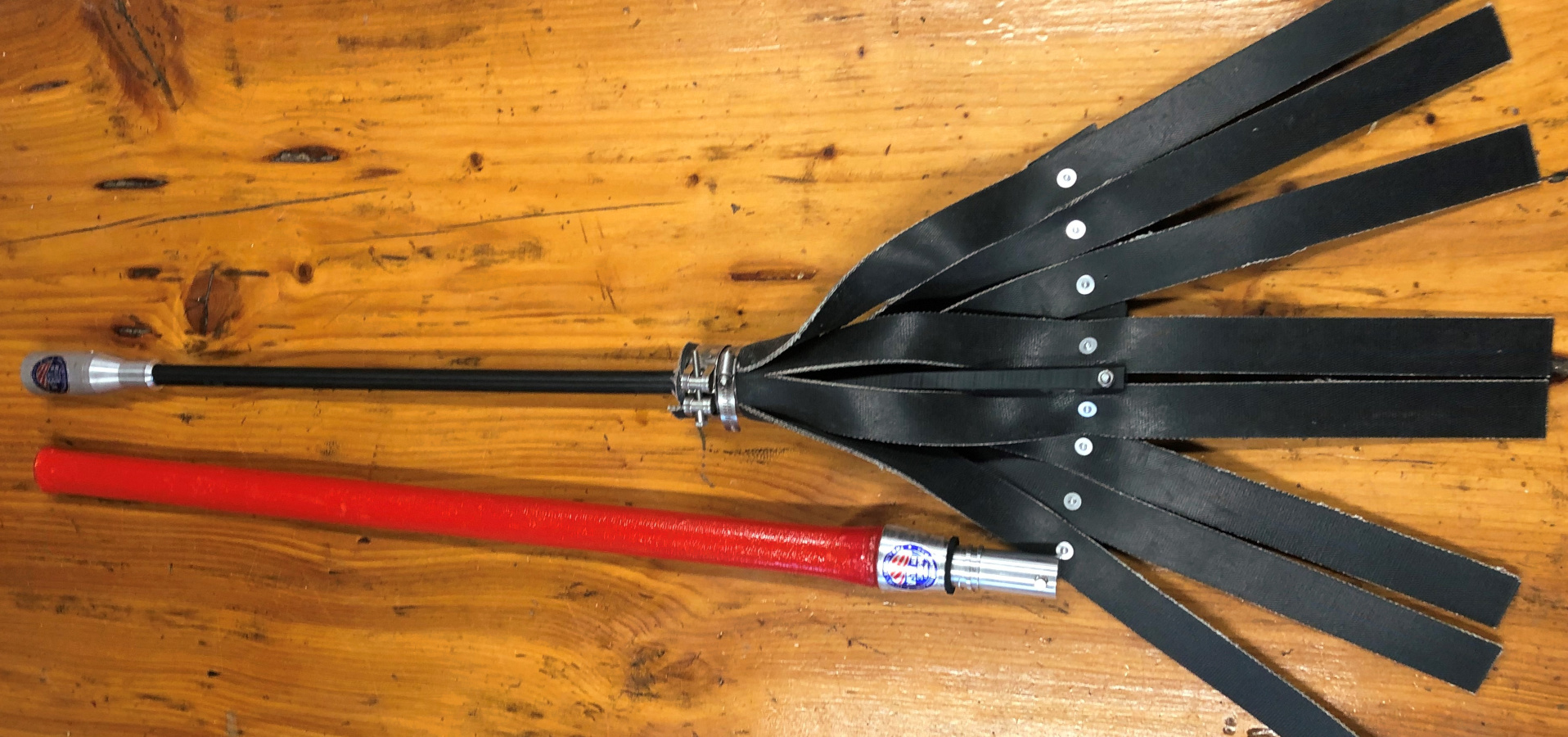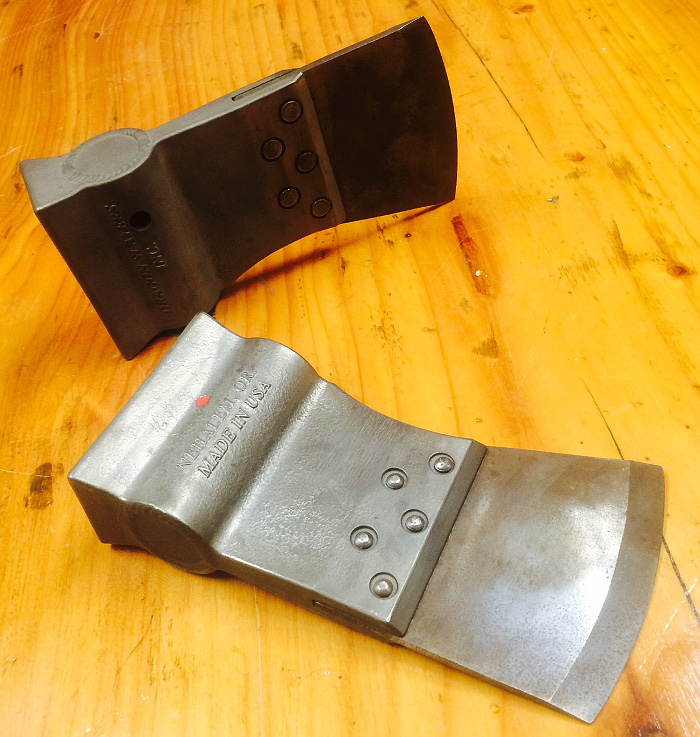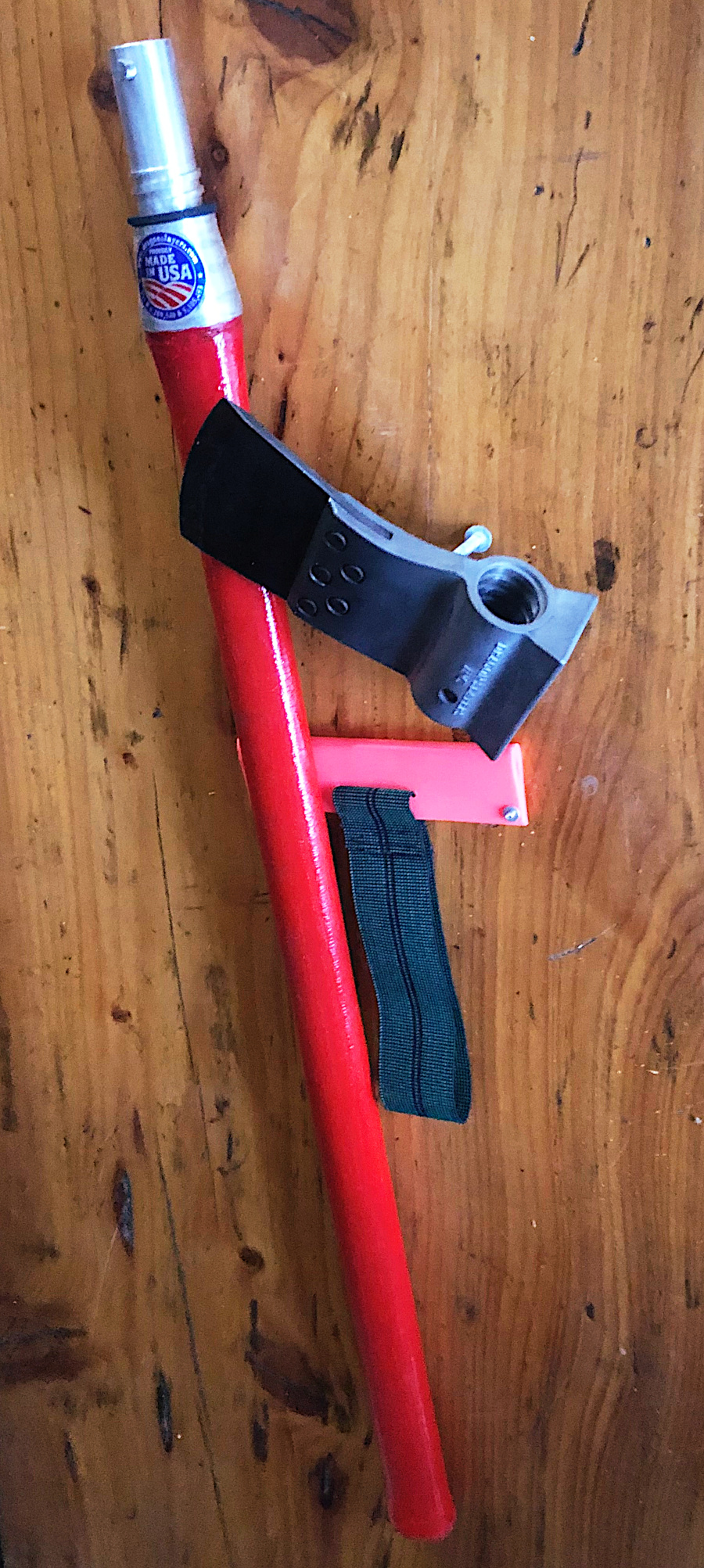
Climate intensification has gradually increased the frequency and severity of extreme wildfire events. Today, thousands of homes and even entire communities are lost each year as powerful firestorms overwhelm traditional suppression efforts. Firefighters and homeowners alike face unprecedented risks as these fast-moving fires become more difficult to predict and contain. While advanced forest fire suppression equipment continues to improve wildfire response, prevention and survival planning have become equally important.
Recognizing the growing threat, the U.S. Senate’s Energy and Natural Resources Committee called upon federal wildfire agencies to develop new strategies that could significantly reduce the loss of lives and structures. Congress made billions of dollars available but first wanted a clear, practical plan—not simply more funding for traditional forest thinning and prescribed burning.
A 50-member task force, known as the Wildfire Mitigation and Fire Management Committee, was appointed to study the issue. Led by representatives from the USDA, Department of the Interior, and FEMA, the committee spent over a year developing recommendations. Although the final report contained numerous suggestions, it did not deliver the simple, comprehensive mitigation strategy Congress had requested.
According to Dragonslayers.com, the future of wildfire survival requires preparing homes and communities to withstand firestorms rather than relying solely on suppression efforts. Alongside innovations developed by wildfire suppression tools suppliers, the company proposed a Universal Wildfire Mitigation Blueprint designed to transform homes into “Safety Harbor Areas” capable of surviving even the most extreme wildfire conditions.
Preparing for the Burnover
Wildland firefighters have long understood the importance of reaching the “black”—ground where combustible fuels have already burned away. Dragonslayers applies this same principle to protecting homes and communities.
The proposed mitigation strategy creates a 360-degree defensive system using three circular control lines surrounding structures. By intentionally managing vegetation and reducing available fuels, trained personnel can safely control flame lengths and create protective blacklines before an advancing firestorm arrives.
Unlike conventional suppression, the goal is to expect the fire to pass through while ensuring there is little available fuel immediately surrounding the structure.
Universal Wildfire Mitigation Blueprint
The Universal Wildfire Mitigation Blueprint recommends:
- Three circular defensive control lines around every protected structure.
- Managed vegetation with properly spaced tree crowns.
- Removal of ladder fuels and brush that connect ground fires to tree canopies.
- Separation of aerial fuels from surface fuels.
- Ember-resistant construction features such as screened vents, metal or tile roofs, and clean gutters.
This blueprint is intended to become a universally recognized safety design that firefighters can immediately identify and use when defending homes during wildfire emergencies.
Universal Wildfire Mitigation Blueprint
Also known as the Black Donut Mitigation Blueprint, this design provides firefighters with a standardized defensive layout that can significantly improve structural survivability during extreme wildfire events.
Dragon Wizz Wheel
The Dragon Wizz Wheel serves as both a training device and a field reference tool. It features a rotating clear plastic disk with a wind-direction arrow and red guide markers indicating where controlled ignition should begin around the Dragon Rings.
To use the device, the operator simply stands facing the home, places the Wizz Wheel horizontally, and aligns the wind arrow with the actual wind direction. The red markers then indicate where controlled ignition should begin using a push-button propane torch commonly available at hardware stores.
Unlike prescribed burns, this method is designed to function even during severe drought and high-wind conditions. It is not intended to become a free-running fire but instead creates what Dragonslayers describes as a Controlled-Engineered Escape Fire.
Because vegetation has already been carefully managed, flame lengths remain predictable and fuel compartments are separated, giving trained operators much greater control over fire behavior. This approach differs from conventional prescribed burning, where changing winds, heavy fuels, and spotting often cause fires to escape containment.
As wildfire behavior continues to evolve, combining proactive mitigation strategies with modern forest fire suppression equipment offers communities greater resilience against future firestorms. Likewise, collaboration between emergency agencies, property owners, and experienced wildfire suppression tools suppliers can help improve preparedness while reducing the devastating impacts of increasingly intense wildfire seasons.