By Thomas “Troop” Emonds, Founder of Dragonslayers and former U.S. Forest Service & BLM Smokejumper
On most wildfires, the challenge isn’t just the fire itself.
It’s everything around it.
Uneven ground. Dense brush. Changing wind. Long hours that turn simple tasks into repetitive strain. What looks manageable at first quickly becomes inefficient when tools stop performing the way they should.
That’s where the difference between standard equipment and well-designed wildland fire suppression tools becomes clear. Not in theory—but in how they hold up over time, terrain, and repeated use.
Reality on the Fireline
Wildland fire environments are rarely consistent.
Crews work across:
- Uneven and shifting terrain
- Mixed fuel types
- Changing fire behaviour
- Extended operational periods
What usually happens is that small inefficiencies compound. A tool that feels adequate in the first hour starts to slow things down by the fourth or fifth. Movements become less efficient. Fatigue builds. Precision drops.
That’s the reality most discussions around tools tend to miss.
Where Standard Tools Start to Fall Short
Most tools used in wildfire environments are built to do a job. But not all are built to do it well over time.
Common breakdown points include:
- Loss of cutting or scraping efficiency
- Excess weight over long durations
- Designs that don’t adapt to varying fuel conditions
- Increased physical strain from repeated use
Take a typical grass or light brush scenario.
You’re working a line where the fuel looks manageable, but the ground cover is inconsistent—patches of dense growth mixed with lighter material. Tools that aren’t designed for that variation either cut too shallow, clog, or require repeated passes to get the same result.
That’s where inefficiency shows up quickly. Not in whether the tool works—but in how many extra movements it takes to do the same job.
What Effective Brush Fire Fighting Tools Do Differently
When tools are designed with real conditions in mind, the differences are immediate.
Effective brush fire fighting tools prioritise:
Efficiency of Movement
Each action should produce meaningful progress. Reduced wasted motion translates directly into less fatigue.
Balance and Control
Well-balanced tools improve handling, especially on uneven terrain.
Durability Under Repetition
Not just strength—but the ability to maintain performance across long operational cycles.
Multi-Function Capability
Fire environments change quickly. Tools that adapt reduce the need for constant switching.
This isn’t about adding complexity. It’s about removing friction.
Why Tool Design Matters in Fire-Dependent Ecosystems
In prescribed fire and ecosystem management, expectations shift.
You’re not just suppressing fire—you’re working with it.
Applications include:
- Hazardous fuels reduction
- Rangeland improvement
- Timber protection
- Wildlife habitat management
- Reintroduction of fire into fire-adapted ecosystems
These are long-term efforts. Tools need to perform consistently across multiple burns and seasons.
Durability and predictability become critical. When tools last longer and maintain performance, planning improves. Budgets become more reliable. Programs operate with fewer disruptions.
This matters across a wide range of users—from rural fire departments and federal agencies to conservation organisations and landowners managing wildfire risk.
How Field Experience Reshaped Tool Design
Most tool innovations don’t start as innovations.
They start as frustrations.
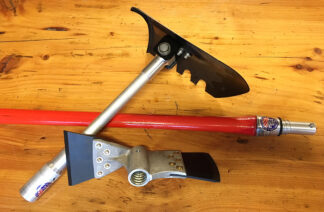
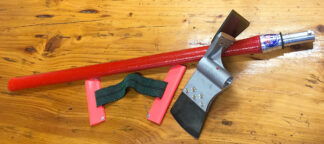
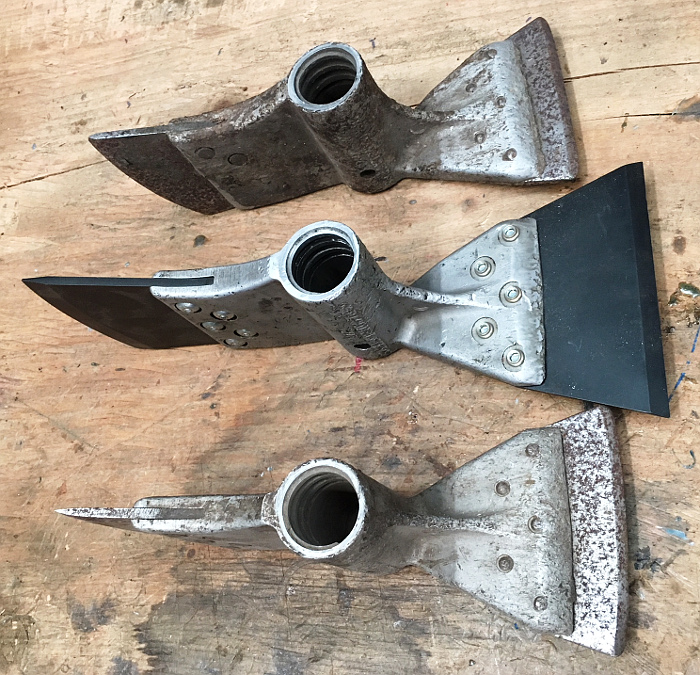
After years on the fireline, the limitations of conventional wildland fire suppression tools become hard to ignore. Many were built as single-function tools—often awkward to carry, inefficient across changing conditions, and in some cases, not significantly evolved from designs dating back to the early 20th century.
What usually happens is crews adapt. They compensate. They work around the tool instead of with it.
But over time, that raises a different question—what if the tool itself changed?
That question led to structured research and development backed by the U.S. Department of Agriculture, focused on improving safety, ergonomics, and durability in frontline tools. In many cases, this kind of refinement doesn’t come from a design table. It comes from decades on the fireline—where tools are tested daily, and where companies like Dragonslayers have built their designs around what actually holds up under those conditions.
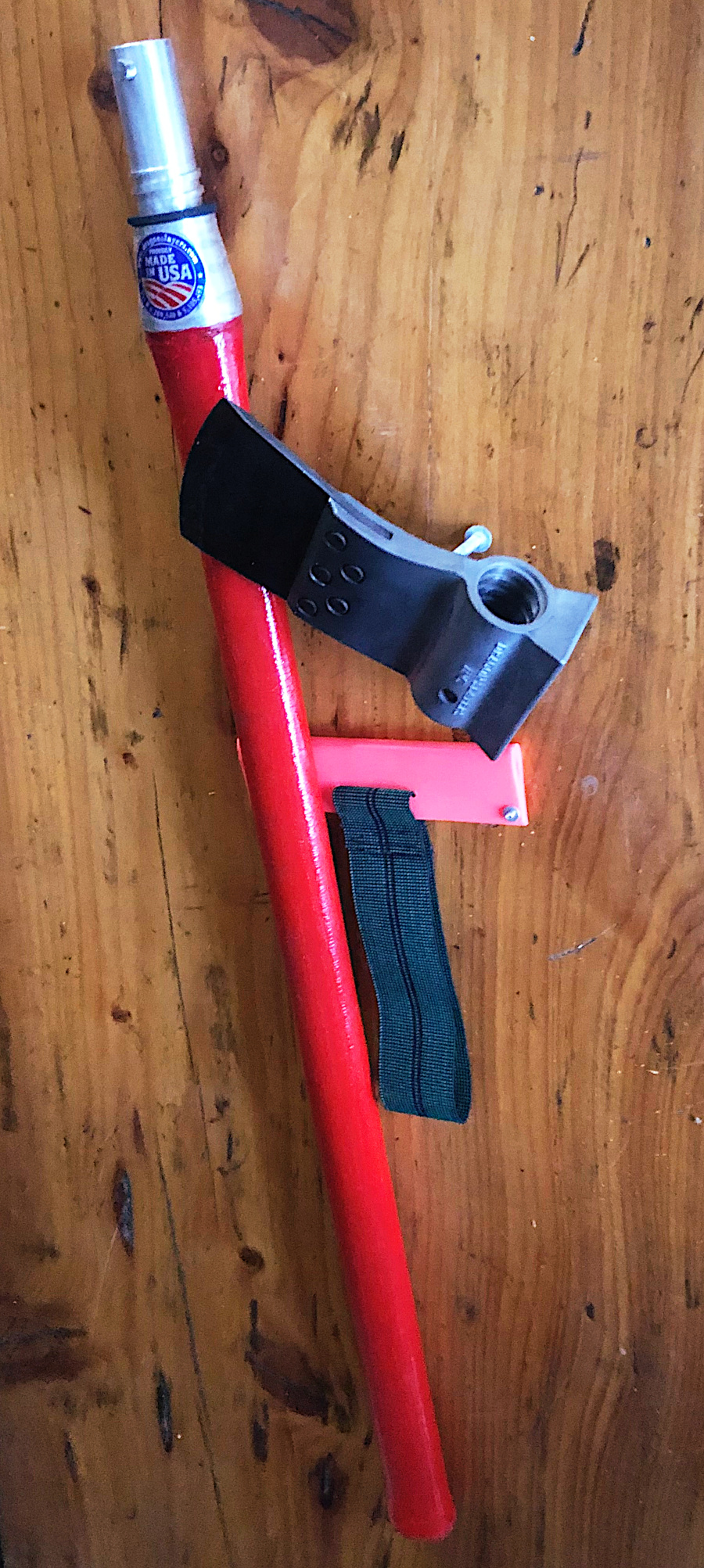
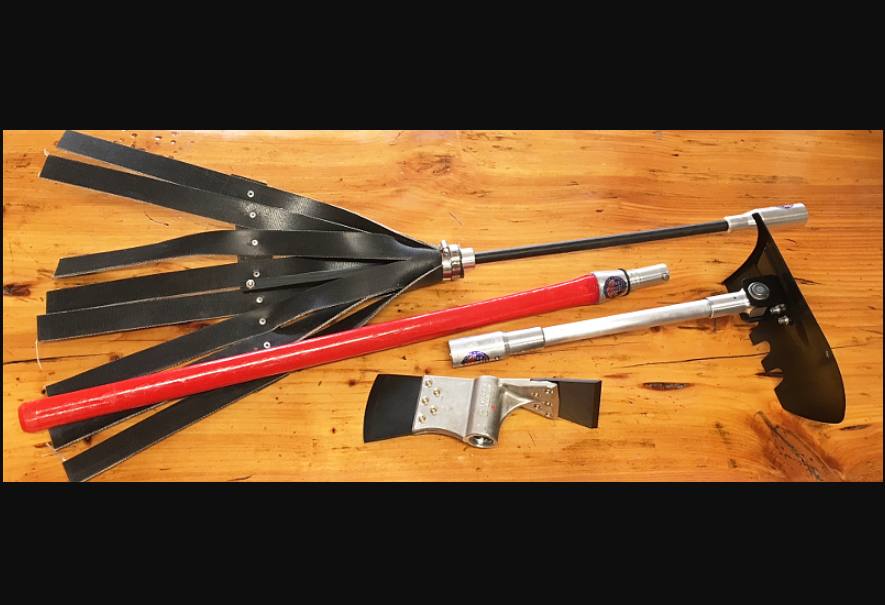
Early improvements focused on balance, stronger handles, and replaceable high-wear components. Transportability also became a priority, with tools designed to be more compact and easier to carry without compromising performance.
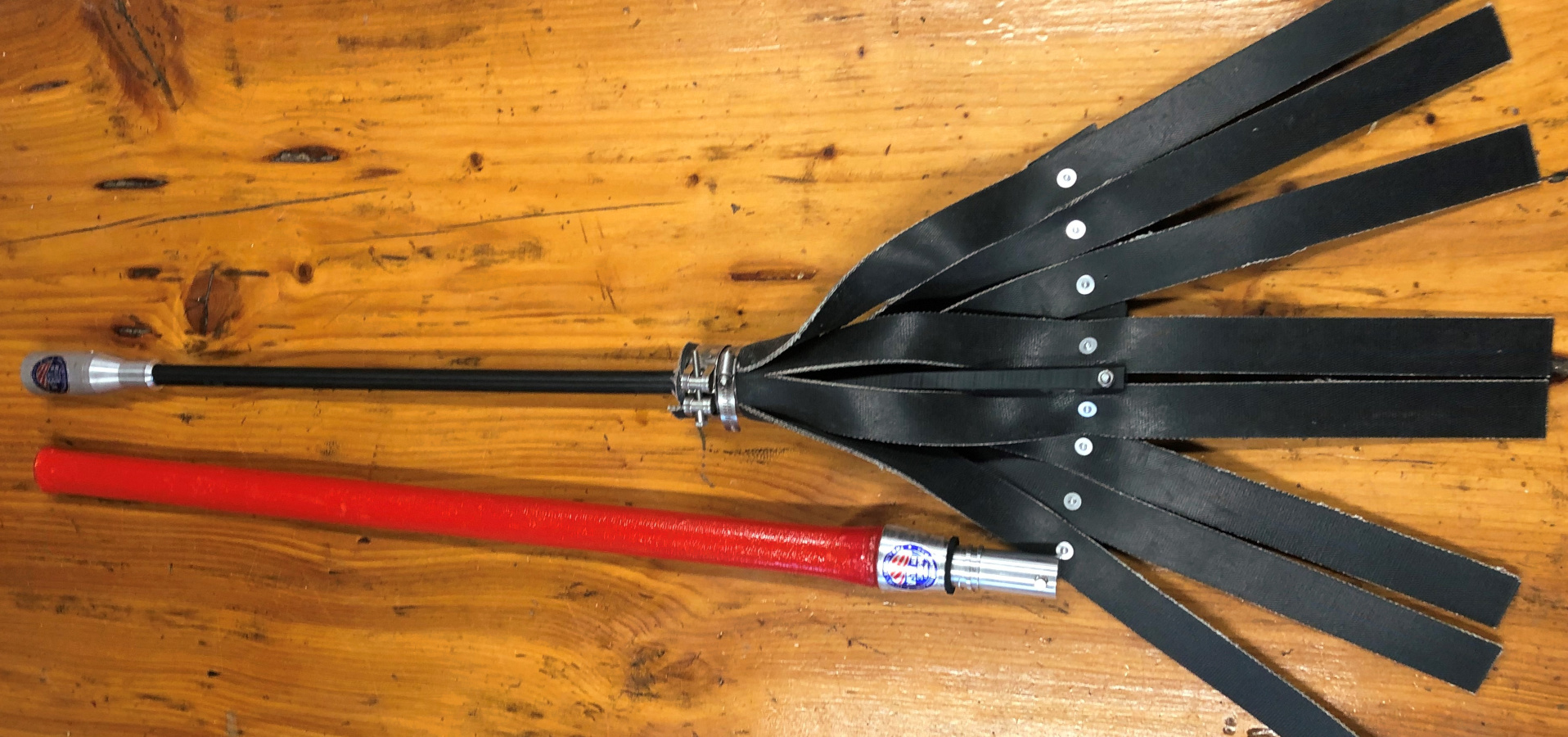
From there, the thinking expanded toward versatility—tools capable of handling multiple tasks across varied conditions.
Much of that evolution came directly from listening to line firefighters and observing how tools are used under real pressure.
Where Reliability Becomes a Strategic Advantage
Reliability isn’t just a convenience—it shapes outcomes.
Consistent tool performance affects:
- Crew efficiency
- Operational precision
- Safety margins
- Budget predictability
When tools last multiple seasons and maintain effectiveness, planning becomes more accurate. Replacement cycles are easier to manage. Operational disruptions decrease.
That consistency is valuable whether you’re:
- Managing a prescribed burn program
- Coordinating a rural fire department
- Evaluating wildfire risk as part of insurance processes
- Supporting mitigation efforts at the property level
Closing Perspective
Wildland fire work is already complex. Tools shouldn’t add to that complexity.
The best wildland fire suppression tools don’t stand out because of how they’re described.
They stand out because they reduce effort where it matters most—on the ground, over time, and under real conditions.
And once that level of consistency becomes part of the workflow, it’s difficult to go back to anything less.
FAQs
1. What are wildland fire suppression tools used for?
Wildland fire suppression tools are used to control and contain fires in natural landscapes. They help crews cut fire lines, remove fuel, manage flare-ups, and support mop-up operations.
2. How are brush fire fighting tools different from standard firefighting tools?
Brush fire fighting tools are specifically designed for outdoor environments with vegetation, uneven terrain, and variable fuel types. They focus more on versatility, durability, and ease of use over extended periods.
3. Why is tool durability important in wildfire operations?
Durability ensures tools maintain performance over long shifts and multiple seasons. This reduces downtime, improves efficiency, and helps organisations manage costs more predictably.
4. What makes a wildfire hand tool effective?
An effective tool offers good balance, efficient cutting or scraping action, durability under repeated use, and the ability to handle multiple tasks in changing conditions.
5. Are these tools only used by professional fire crews?
No. While widely used by federal, state, and local fire agencies, these tools are also used by rural fire departments, conservation organisations, landowners, and others managing wildfire risk.
6. Can better tools improve wildfire management outcomes?
Yes. Tools that reduce fatigue and increase efficiency help crews work more effectively, which can improve containment speed, safety, and overall operational success.
About the Author
Thomas “Troop” Emonds is the founder of Dragonslayers and a former Smokejumper with over two decades of experience in wildland fire operations. His work in wildfire tool design has been supported by U.S. Department of Agriculture research and development programs focused on improving safety, durability, and field performance.